
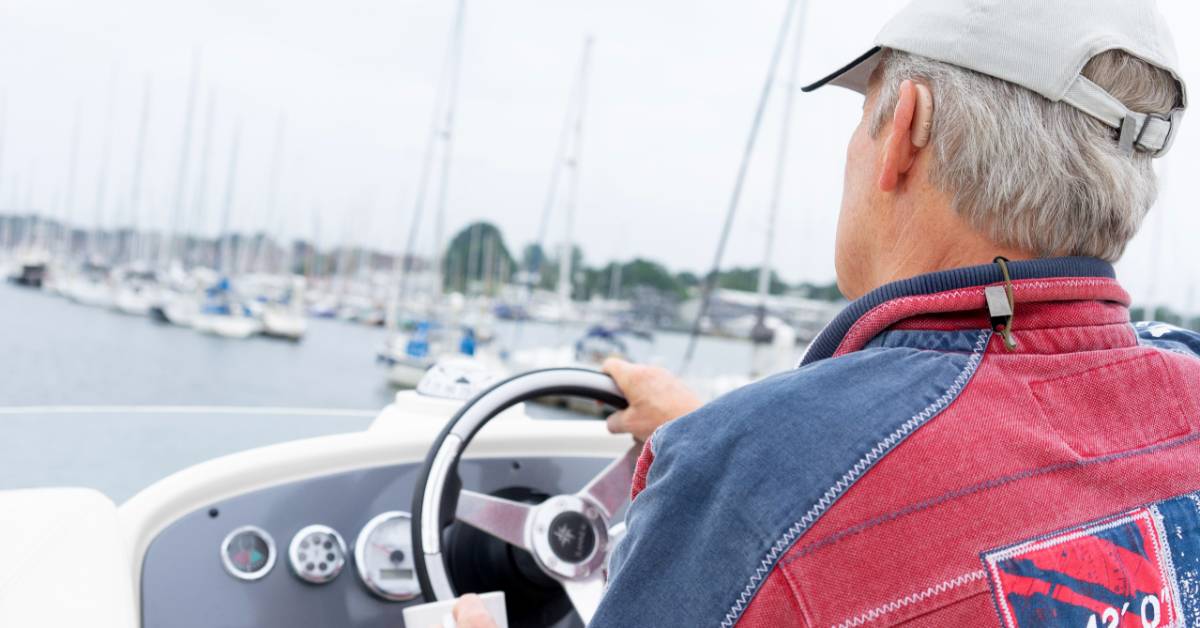
Spending time behind the wheel of a fishing boat can affect how you sit, especially when the water gets rough. Each wave or passing wake moves the boat beneath you, and repeated jolts can make it difficult to maintain a comfortable position while steering.
Understanding how shock-absorbing boat seats support better posture begins with the connection between your seat and the boat. When suspension helps manage the movement reaching the driver, it may become easier to sit comfortably and maintain a natural driving position during trips across the lake.
Why Boat Movement Can Affect Your Posture
Even on familiar fishing routes, changing water conditions can make the boat rise and fall beneath you. A rigid pedestal follows the movement of the deck, transferring much of that motion through the seat. As the hull crosses waves, your body must respond to stay balanced behind the wheel.
You may notice yourself leaning forward when approaching rough water or tightening your grip on the steering wheel. These reactions can help you respond to sudden movement, but they also change your normal seated position. When the boat repeatedly encounters chop, maintaining a relaxed posture becomes more challenging.
The way your seat responds to those movements can influence how frequently you need to reposition yourself. Managing some of the motion beneath the seat gives you a better opportunity to maintain a comfortable driving position.
How Seat Suspension Changes the Ride
A traditional rigid pedestal provides a fixed connection between the seat and the boat’s deck. When the hull rises or drops, the seat moves along with it, leaving the driver to respond to much of that vertical motion.
Shock-absorbing boat seats introduce suspension beneath the seating surface to help manage abrupt movement. The system allows the seat to move in a controlled way as the boat encounters uneven water, which can reduce the jolts reaching the person behind the wheel.
Maintaining a Natural Position Behind the Wheel
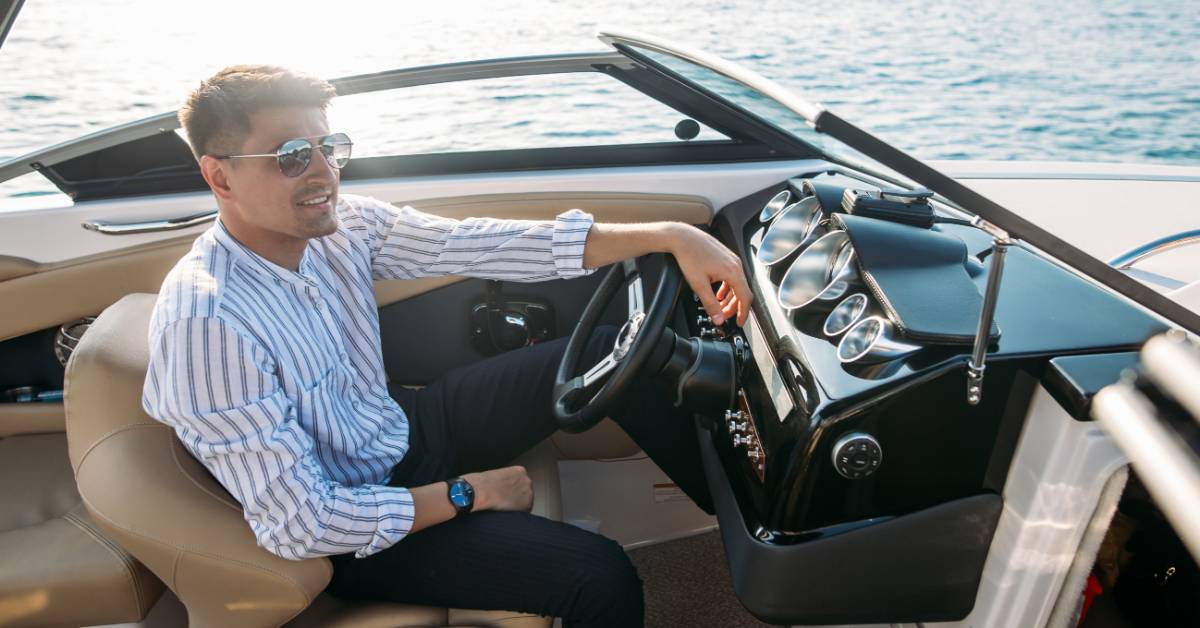
Good driving posture starts with a seating position that lets you operate the boat without unnecessary reaching. When your back rests comfortably against the seat and the steering wheel remains within easy reach, you can concentrate on navigating the water ahead.
Repeated jolts can interrupt that position, particularly when you find yourself moving forward in the seat or shifting your weight to stay balanced. Suspension helps manage some of that movement, potentially making it easier to remain comfortably seated as conditions change.
Boats naturally move with the water, and drivers still need to respond to changing conditions. A suspension system simply helps manage the movement beneath the seat, so you aren’t reacting to every jolt in the same way.
Why Seat Support Matters During Longer Runs
The amount of time you spend behind the wheel can make your seating position more noticeable. A short trip to a nearby fishing spot may feel comfortable even when your seat provides little suspension. Crossing a larger lake gives you more time to notice whether you’re constantly shifting to maintain your position.
Seat support also affects how comfortably you can remain against the backrest. If repeated movement causes you to slide forward or sit away from the seatback, you may find yourself relying more on your arms to stay steady. A supportive seating position can help you avoid maintaining that forward-leaning posture throughout the run.
Suspension contributes by managing movement beneath the seat, but the seat itself still needs to fit the driver comfortably. Backrest support and the relationship between the seat and steering wheel remain important parts of the setup.
Adjusting Suspension for Different Drivers
Not everyone who drives your boat will prefer the same suspension response. Fishing partners may have different body weights or seating preferences, which can affect how a particular setup feels when they take the wheel.
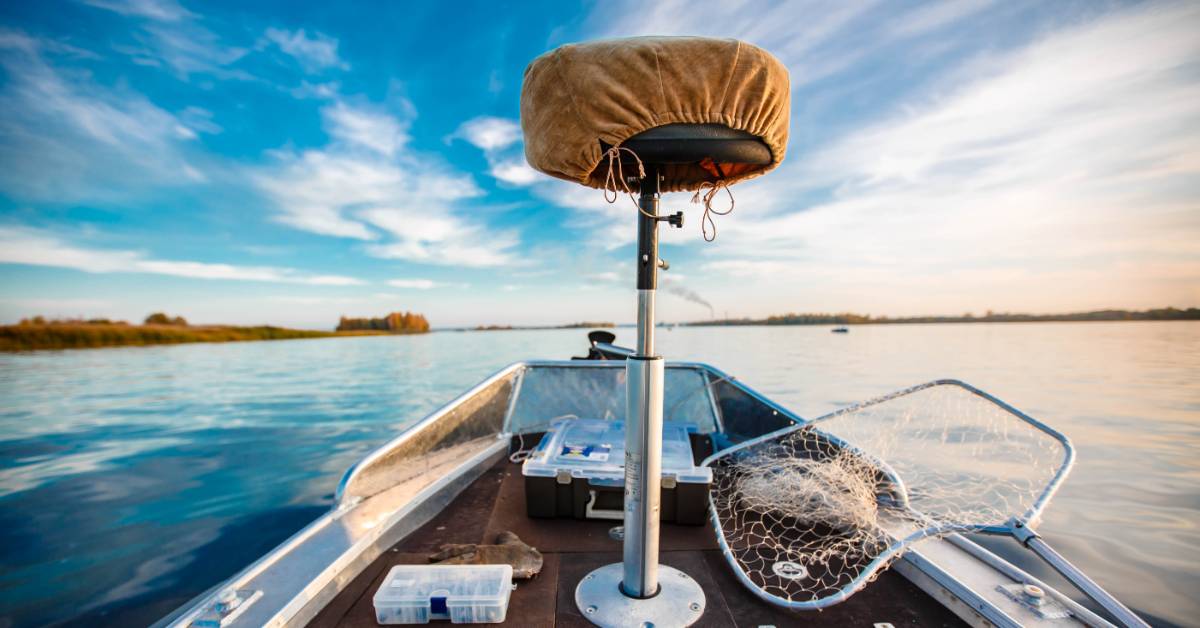
Adjustable suspension allows anglers to tailor the system to the person using the seat. Smooth Moves offers adjustable mechanical and pneumatic options, although the adjustment process depends on the specific model. Review the manufacturer’s instructions to understand how the system works before making changes.
When several people share driving duties, it’s worth checking the setup before each person takes the helm. An appropriate adjustment can help the seat respond more comfortably for that driver while supporting a consistent seating position.
Your Driving Position Still Matters
Even with suspension beneath the seat, sitting too far from the steering wheel can encourage you to lean forward. A seat positioned too high or low may also make it harder to see ahead comfortably, especially when the boat’s bow rises during acceleration.
Start by checking how you sit at the helm while the boat is stationary. Your back should rest comfortably against the seat, and you should be able to operate the controls without stretching. Make sure you can see clearly over the windshield and bow from your normal driving position.
If you’re considering a suspension upgrade, confirm that the new system works with your existing seat and mounting arrangement. The added suspension should fit within the available helm space while allowing you to maintain a practical driving position.
Pay Attention to Posture As Conditions Change
Wind can build chop during an afternoon fishing trip, even when the lake was calm earlier in the day. As the ride changes, pay attention to whether you’re sitting comfortably or beginning to lean forward in anticipation of the next wave.
A suspension seat may help manage repeated jolts, but it won’t eliminate every movement you encounter. You still need to adjust your driving to the conditions, especially when crossing open water or traveling through wakes from other boats.
When conditions allow, check your seating position and relax unnecessary tension in your upper body. Small corrections can help you return to a comfortable posture after navigating a rough stretch of water. Keeping your back supported whenever practical can also help you avoid spending the entire run leaning toward the wheel.
Make Seat Suspension Part of a Comfortable Setup
A suspension system works alongside the other parts of your seating arrangement. Even a well-designed base cannot compensate for a seat that places you too far from the controls or leaves you sitting awkwardly behind the wheel.
Before choosing an upgrade, consider how your current seat fits your body and whether its position allows you to steer comfortably. Check the available mounting space and review the suspension system’s installation requirements to determine how it will work with your boat.
Slowing down when conditions require it can reduce the severity of the impacts you encounter, while suspension helps manage movement that still reaches the seat. Together, those considerations can support a more comfortable experience during your time on the water.
Find a Seating Setup That Supports Better Posture
Looking at how shock-absorbing boat seats support better posture shows why the movement beneath your seat deserves attention. Suspension can help you maintain a more consistent driving position, especially when changing water conditions make it difficult to stay comfortably seated.
For anglers looking to improve their seating setup, Smooth Moves offers adjustable mechanical and pneumatic suspension systems designed for boating conditions. Explore the available options to see which system fits your boat and helps you stay comfortable behind the wheel.