


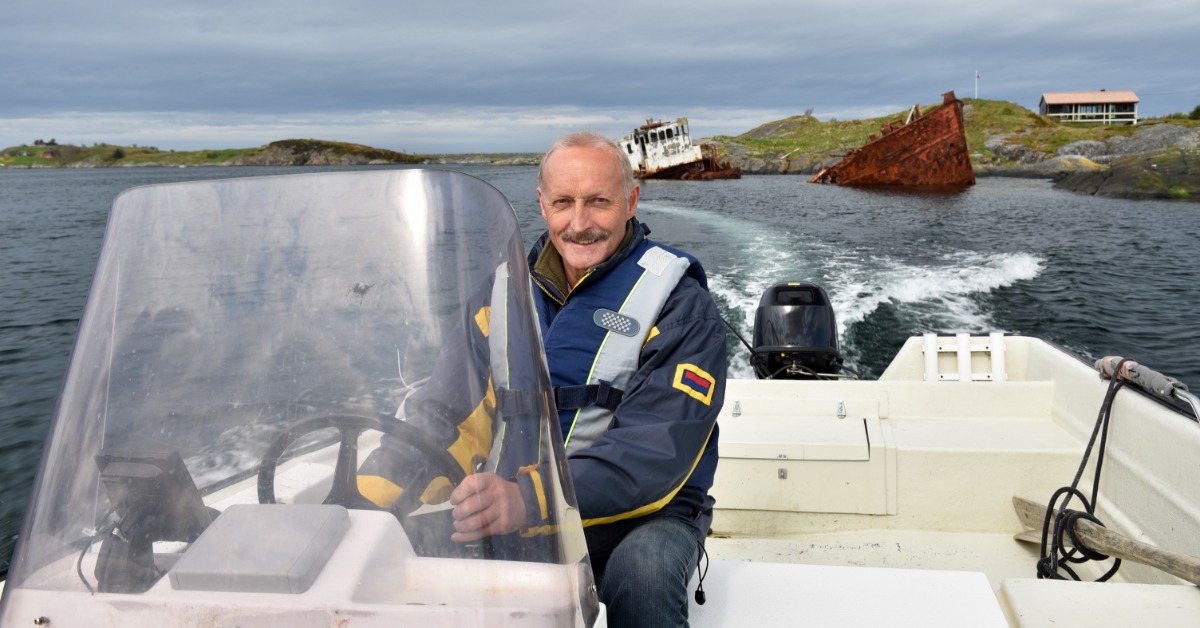
A long run across a choppy lake can leave your lower back feeling sore before you’ve even reached your fishing spot. Each time the hull drops into a wave, the impact travels through the boat’s seating system. When those jolts keep coming, your back must respond while you remain seated behind the wheel.
Reducing back strain with boat seat suspension starts with managing the impacts that reach the driver during rough-water travel. By absorbing some of those jolts, a suspension pedestal may make long crossings more comfortable, particularly for anglers who regularly travel across open water.
What Happens to Your Back When the Boat Hits Waves
When a boat encounters waves, the hull rises and drops as it passes over them. With a rigid pedestal, the seat follows the deck’s movement closely, transferring much of the resulting impact to the person sitting above it. Your spine and surrounding muscles work to stabilize your body as the boat moves through uneven water.
A sudden jolt can cause your torso to shift sharply, forcing your back muscles to react and regain stability. As the boat continues through rough water, those repeated movements place ongoing demands on your muscles, which can contribute to discomfort during longer crossings.
How Suspension Reduces the Impact Reaching Your Back
A suspension pedestal introduces controlled movement between the seat and the boat’s deck, changing how impacts travel to the driver. As the hull rises over a wave and drops, the suspension responds to some of that vertical movement before it reaches your body. This can reduce the abrupt forces transferred through the seating system.
The amount of movement the suspension manages depends on its design and the conditions you encounter. Although it cannot eliminate every jolt, reducing some of the impacts reaching your back may make extended trips through uneven water easier to tolerate.
Why the Suspension Mechanism Matters
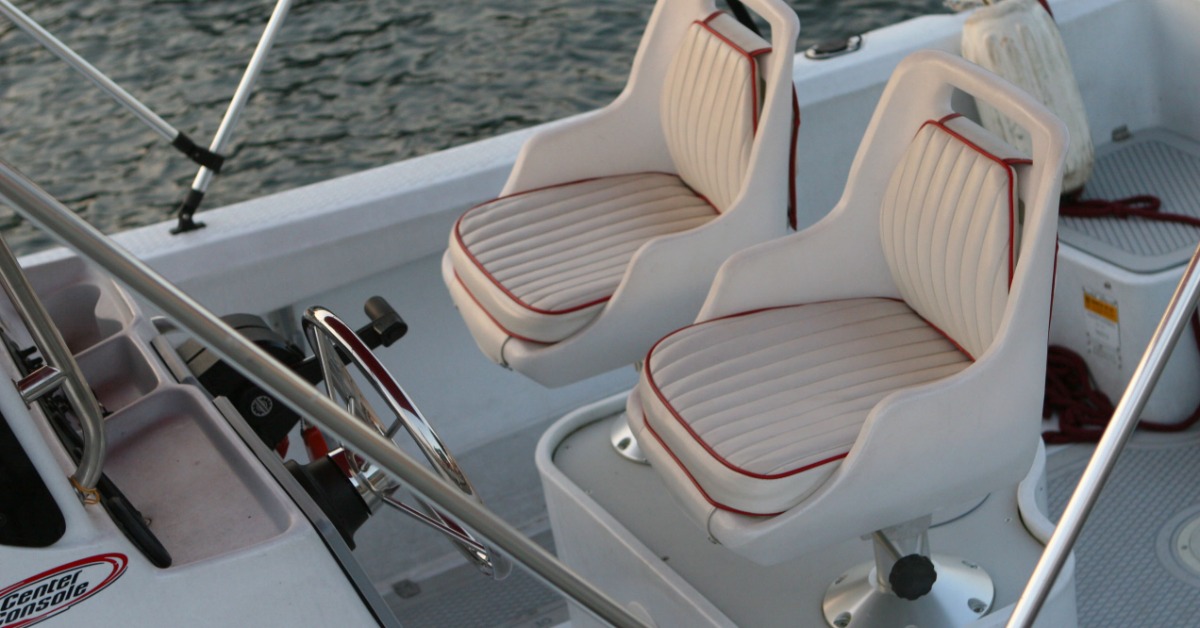
Anglers researching boat seat upgrades often encounter different descriptions of suspension technology, including the term hydraulic. Those labels don’t always explain how a particular product operates, making it important to review the manufacturer’s specifications before choosing a system.
Smooth Moves Ultra uses mechanical suspension, not a hydraulic mechanism. Its adjustable design absorbs shocks beneath the driver and provides an alternative to the fixed connection of a conventional pedestal.
If you’re researching a hydraulic boat seat pedestal, examine how each system manages movement beneath the seat. The mechanism determines how the suspension responds to impacts and which adjustments are available to the driver.
Why Closely Spaced Waves Can Be Especially Uncomfortable
Crossing a lake covered in short, closely spaced waves can be demanding because the boat encounters one impact almost immediately after another. The hull may continue rising and dropping throughout the crossing, giving the driver little opportunity to settle between movements.
Wind often creates these conditions across exposed stretches of water, even when individual waves aren’t especially large. A suspension pedestal can manage some of the repeated impacts reaching your back during these runs, making the seating response particularly relevant when the ride remains unsettled for an extended period.
How Lower-Back Support Works With Suspension
The suspension mechanism manages movement beneath the seat, while the seatback supports the driver above it. When the backrest fits comfortably against your lower back, you have a supportive surface to rest against while operating the boat.
If your seat doesn’t provide adequate support, you may find yourself holding your torso upright without resting comfortably against the backrest. That position can require additional effort when the boat moves unexpectedly, particularly during a rough crossing.
Before replacing your pedestal, consider whether your existing seat provides the support you need. Adding suspension can manage impacts, but it won’t change the shape or cushioning of the seat you’re using.
Why Longer Runs Can Increase Back Discomfort
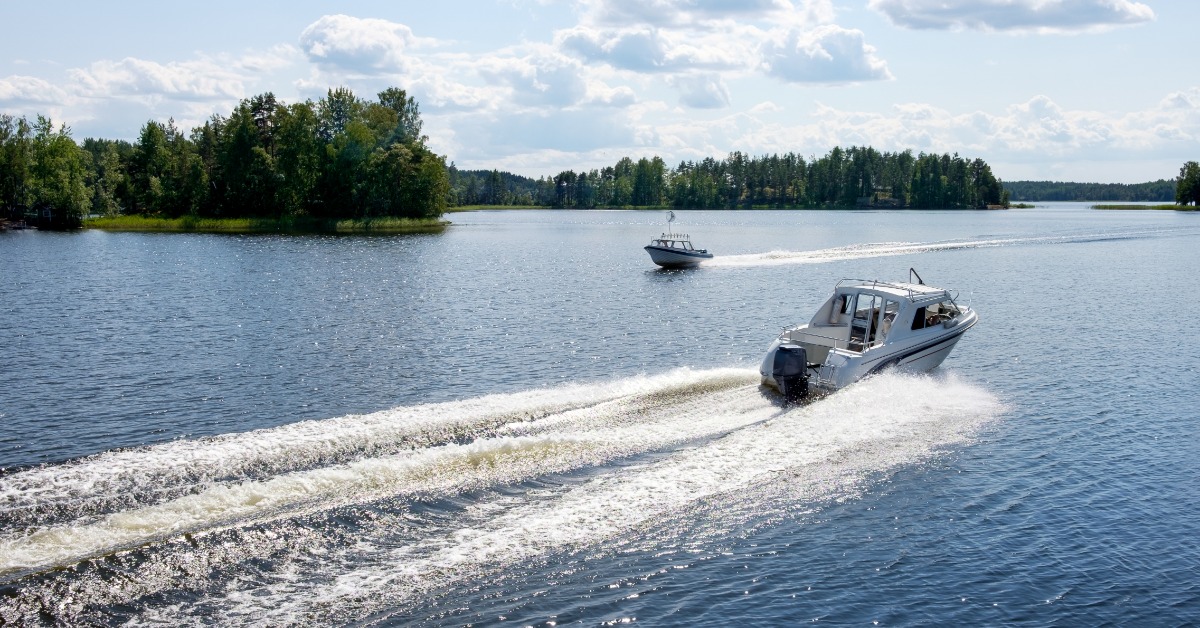
Longer runs between the launch ramp and your fishing spot can expose your back to more repeated impacts, especially when the lake gets choppy. A nearby shoreline location might require only a brief ride, while reaching productive water across a large lake could mean spending considerably longer behind the wheel.
During an extended crossing, the effects of rough water may become more noticeable as your body continues responding to the boat’s movement. If afternoon winds build while you’re fishing, the return trip may also expose you to rougher conditions than you encountered earlier.
Adjusting Suspension To Manage Impacts
Driver weight can influence how a suspension system responds, making adjustment features important when evaluating a pedestal. A setting that feels appropriate for one angler may produce a different response when someone else takes the wheel.
Smooth Moves Ultra includes adjustable mechanical suspension, allowing drivers to tailor the system within its available settings. Reviewing the manufacturer’s instructions before heading onto the water will help you understand how to make those adjustments correctly.
What Suspension Cannot Do for Your Back
Even a well-adjusted suspension system has limits, particularly when a boat encounters severe impacts. It cannot eliminate the forces generated by rough water or guarantee that you’ll finish every trip without discomfort.
Your driving habits also influence the impacts you experience. Traveling too quickly through chop can produce harder landings, increasing the movement that the suspension must manage. Reducing speed when conditions require it remains an important part of limiting those impacts.
If you experience persistent back pain or have a diagnosed spinal condition, consult a qualified healthcare professional about your individual needs. Boat seat suspension can improve comfort during rough-water travel, but it cannot treat underlying medical conditions.
What To Consider Before Upgrading Your Pedestal
Before purchasing a suspension pedestal, examine how your current seat attaches to the boat and whether the existing mounting arrangement will accommodate the replacement. The new assembly also needs to provide an appropriate seating height, so you can operate the controls comfortably.
Review the manufacturer’s installation instructions and adjustment information before ordering. Smooth Moves offers a three-year limited warranty on its suspension systems, subject to the applicable terms and exclusions, so check out the current coverage alongside the product specifications.
Find a Better Way To Handle Rough-Water Impacts
Hydraulic boat pedestals can help reduce back strain by managing some of the repeated impacts that travel through the seat during rough-water runs. With less abrupt movement reaching your body, longer crossings may feel more comfortable, especially when the lake gets choppy.
If you’re considering a suspension upgrade, explore the Smooth Moves Ultra, which uses an adjustable mechanical suspension to absorb shocks beneath the seat. Review its features and compatibility requirements to see whether it’s a good fit for your boat and the fishing trips you take.


